Grocery bills keep climbing, and you’ve probably stood in the produce aisle wondering if there’s a better way. So let’s answer the question head-on: is container gardening worth it?
For most people, yes — and not just for the savings. When you grow your own groceries in a few smart containers, you can trim what you spend on fresh produce while getting tastier food and fewer last-minute store runs. The trick is knowing what to grow and being honest about the numbers.
That’s exactly what this guide does. We’ll walk through realistic, estimated savings, which crops give you the best return, and the up-front cost versus years of reuse — so you can decide if container gardening is worth it for your kitchen.
> A quick honesty note: Every dollar figure below is an illustrative estimate based on typical U.S. retail produce prices. They are not guarantees. Your real results will vary by region, season, and what you actually grow and eat. Read these as “here’s what’s possible,” not “here’s a promise.”
What “Worth It” Really Means
Before we talk dollars, let’s define the win. Container gardening can be worth it on three fronts:
- Money — replacing some store-bought produce with food you grew.
- Quality — fresher, better-tasting vegetables picked at peak ripeness.
- Lifestyle — fewer store trips, less food waste, and honestly, a little joy.
A self-watering container garden makes all three easier because it removes the usual friction: no daily watering guesswork, no weeding, no digging up a yard. You plant, you check the reservoir, you harvest. That low effort is a big part of why people stick with it long enough to actually save money.
Illustrative Per-Crop Value Breakdown
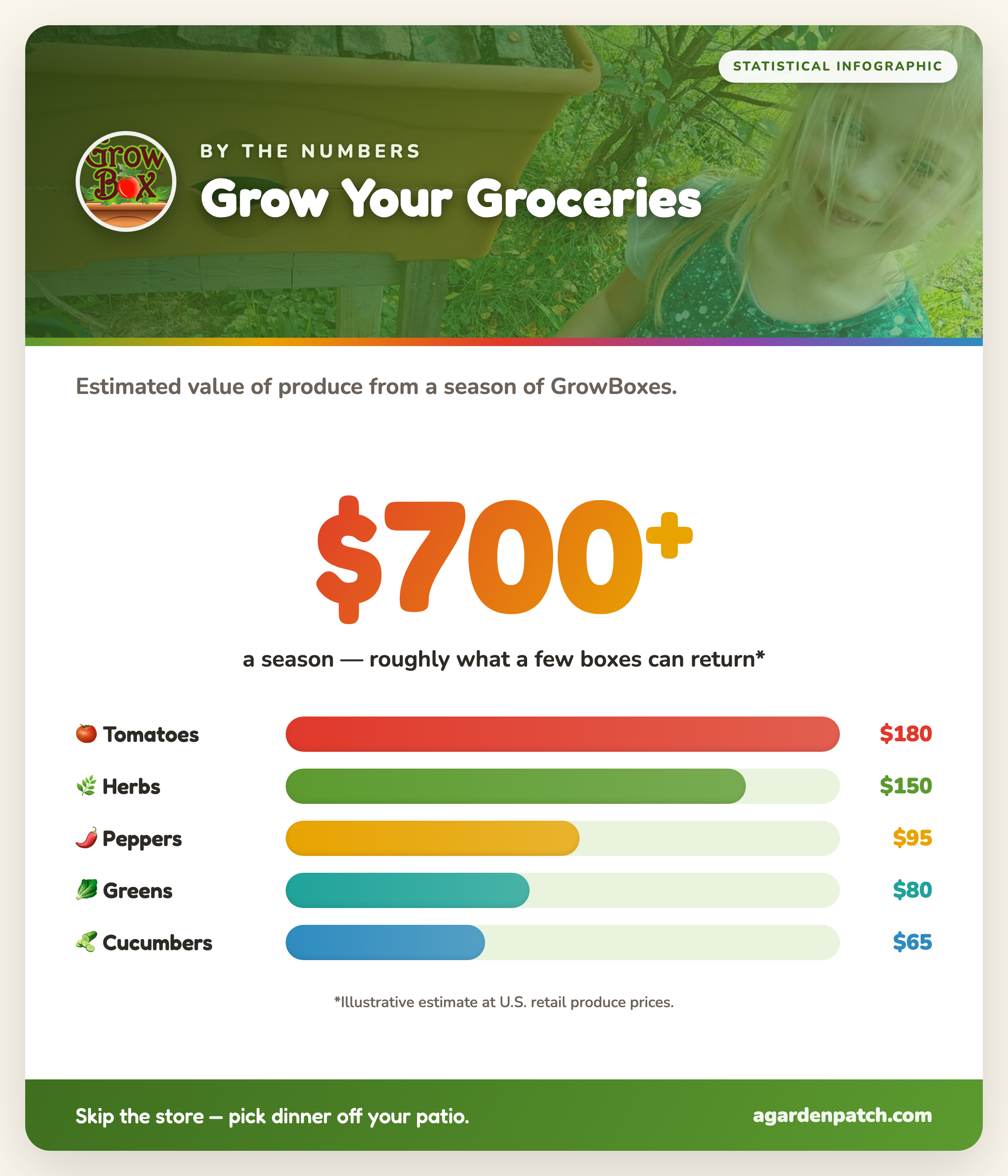
Here’s where it gets fun. Below is a rough, illustrative look at how much produce a few well-tended boxes could yield in value over a single growing season, priced at typical U.S. retail.
Again — these are estimates, not guarantees. Treat them as a ballpark:
- Tomatoes — roughly $180. A single healthy plant can produce a lot of fruit; vine-ripe tomatoes are pricey at the store, so the value adds up fast.
- Herbs — roughly $150. Those little grocery clamshells are wildly expensive per ounce, and herbs regrow as you snip.
- Peppers — roughly $95. Productive plants that keep setting fruit through the warm months.
- Greens — roughly $80. Lettuce, spinach, and kale you can harvest leaf-by-leaf for weeks.
- Cucumbers — roughly $65. A few vines can keep your salads stocked all summer.
Add it up and you’re looking at roughly $700+ in estimated produce value from just a few boxes in a good season. Could it be more? Sure. Could it be less? Absolutely — that depends on you, your climate, and how much you actually eat. But it shows why so many people find that growing their own groceries is worth it.
Which Crops Give the Best Return? (Herbs and Tomatoes Win)
If your goal is to save money growing vegetables, not every crop is equal. Two clear winners rise to the top.
Herbs are the savings champion by value. Fresh basil, cilantro, parsley, and mint cost a small fortune at the store for a tiny package — and half of it usually wilts before you use it. A few herb plants in a container produce continuously: snip what you need, and they keep coming back. The cost-per-use drops to almost nothing.
Tomatoes are the volume champion. One self-watering box can grow a serious amount of fruit — up to around 60 lbs of tomatoes in a season under good conditions. Since vine-ripe tomatoes are expensive and store versions can’t match a homegrown one for flavor, the value piles up quickly.
The smart move? Plant both. Herbs win on price-per-ounce, tomatoes win on sheer poundage, and together they anchor the strongest return in your container garden.
Up-Front Cost vs. Years of Reuse
Here’s the part people forget when they ask if container gardening is worth it. There’s an up-front cost — the container, the cover, the seeds or seedlings, the soil. Season one carries most of that expense.
But a quality self-watering planter isn’t a one-and-done purchase. It’s reusable for years. So the real math isn’t “cost of growing vegetables in year one” — it’s that cost spread across many seasons.
Think of it this way:
- Year one: you pay for the box plus growing supplies.
- Every year after: you mostly just replace seeds, seedlings, and feed — a fraction of the first-year cost.
- Over several seasons: the box pays for itself, then keeps producing estimated value on top of that.
That multi-year reuse is what tips the scales. A garden that costs money once but produces for years is a very different deal than buying produce every single week. It’s vegetable gardening on a budget that actually compounds in your favor.
The Value That Doesn’t Show Up on a Receipt
Not every benefit fits in a spreadsheet. Some of the best parts of growing your own groceries never hit your savings total at all:
- Fewer store trips. Need basil for dinner? Walk to the patio instead of the car.
- Fresher, better-tasting food. Produce picked minutes before eating beats anything trucked across the country.
- Less waste. You harvest what you need, when you need it — no slimy bagged greens forgotten in the fridge.
- Knowing what’s on your plate. You grew it, so you know exactly how it was tended.
- It’s genuinely fun. There’s real satisfaction in eating something you grew yourself, and it’s a great thing to share with kids.
For a lot of families, these are the reasons the garden sticks around long enough for the dollar savings to add up.
What Actually Affects Your Savings (Let’s Be Real)
We promised honesty, so here’s the balanced view. Your results depend on a few things you control and a few you don’t:
- Where you live. Region and climate shape your growing season and which crops thrive. A longer warm season generally means more harvest.
- What you grow. High-value crops like herbs and tomatoes return more than, say, a single zucchini plant. Grow what you’d actually buy anyway.
- How much you eat. Savings only count if you use what you grow. A household that eats a lot of fresh produce saves more than one that doesn’t.
- Your effort and consistency. Even a low-maintenance, self-watering setup needs a little attention. The good news: less guesswork means fewer plants lost.
- Store prices in your area. Produce costs vary a lot by region, which is exactly why our figures are estimates, not promises.
The honest takeaway: container gardening is very often worth it, especially over multiple seasons — but the size of the payoff is personal. Grow high-value crops you’ll actually eat, keep at it, and the numbers tend to land in your favor.
So, Is Container Gardening Worth It?
For budget-minded shoppers tired of watching grocery totals climb, the answer is usually a confident yes. You can offset real produce costs, eat better, waste less, and enjoy the process — and with a reusable box, the value keeps compounding season after season.
Just remember the fine print: the dollar figures here are estimates at typical retail prices, and your mileage will vary. But the path to finding out is refreshingly low-risk.
Ready to Grow Your Own Groceries?
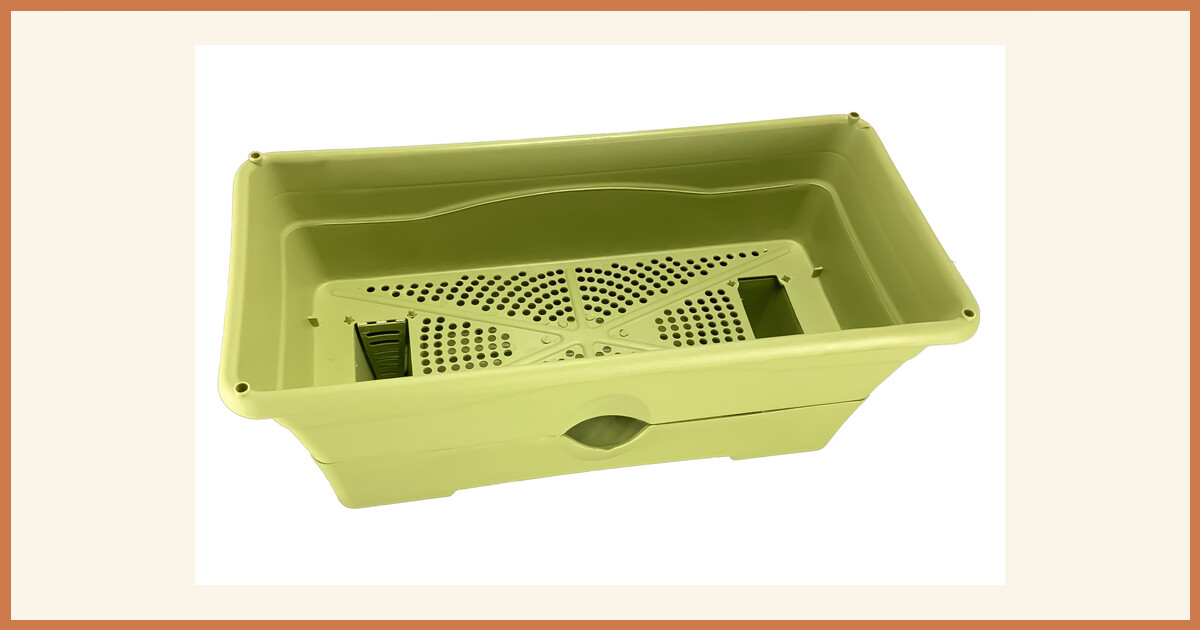
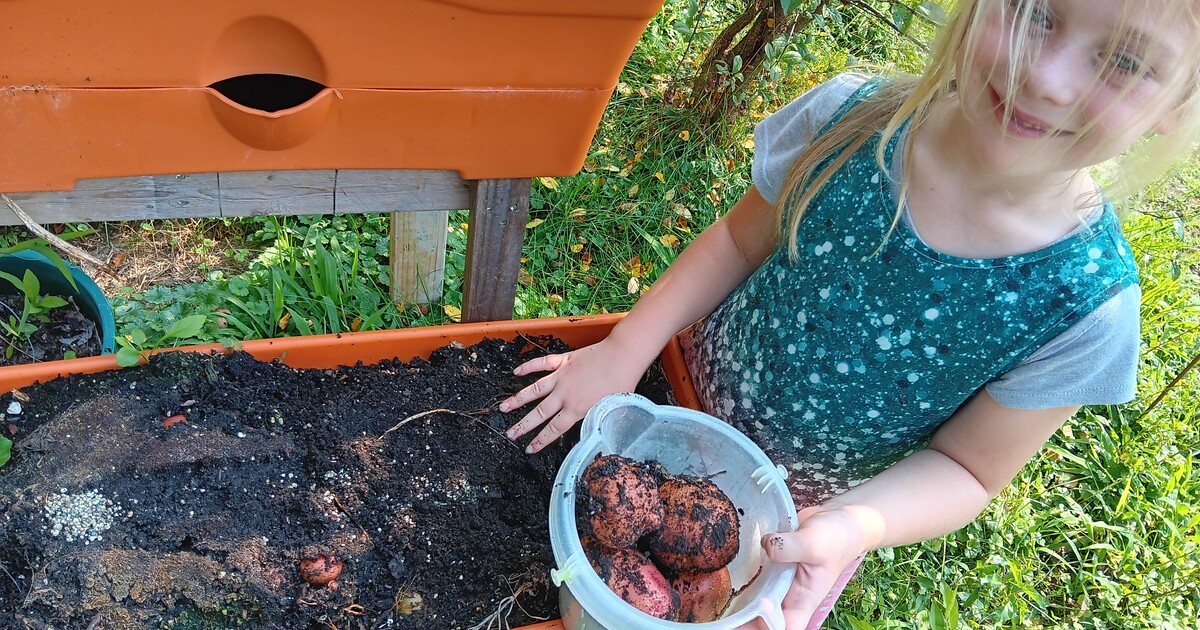
The GrowBox™ from A Garden Patch makes saving money growing vegetables about as simple as it gets. The 4-gallon reservoir handles the watering, the Nutrient Patch™ cover feeds your plants and blocks weeds, and there’s no digging or guesswork — just up to around 60 lbs of tomatoes per box in a season. It’s reusable for years, so the cost spreads out over time, and it’s backed by a 1-year money-back guarantee.
Start your self-watering container garden today at agardenpatch.com and see what you can grow.
Save This: The Savings by the Numbers